

I. Summary
Digital Detox is a 10-day training course that helps participants step out of constant digital stimulation and reconnect with the body, breath, emotions, nature, and real-life human connection.
The digital world often pulls us away from direct experience and the natural rhythms that support clarity, connection, and inner balance. Even without being physically present, we are constantly exposed to thousands of pieces of information—our attention pulled in many directions at once. The brain often responds to digital stimuli as if they were real: the body activates stress responses, but has little space to complete them.
The course integrates movement, yoga, qi gong, breathing practices, time in nature, silence, reflection, and psychology-informed learning. It creates a supportive space to pause, step out of automatic mode, and return to ourselves through body-based practice and conscious awareness.
This is not only about using phones less. Participants leave with a direct experience of reconnecting with themselves, a clearer ability to perceive and regulate inner state, and practical tools for healthier offline routines in everyday life.
II. Who is this course for?
- Youth workers and youth leaders
- Educators, trainers, and facilitators
- Young professionals interested in wellbeing and mental health
- People who want practical tools for stress regulation and healthier digital habits
- People who want to reconnect with body, breath, presence, and community
III. Key Topics and Methods
- Comfort, boundaries, and group connection
- creating a stable and respectful shared space
- getting to know each other through simple interactive activities
- building trust, presence, and community
- Returning to the body
- Time in nature, silence, and reflection
- noticing physical signals more clearly
- reconnecting with breath, movement, and embodied awareness
- using the body as a resource for grounding and balance
- Understanding digital overload
- recognizing automatic habits around phones and screens
- noticing emotional triggers such as stress, boredom, loneliness, or avoidance
- understanding how constant stimulation can disconnect people from direct experience
- Silence, space, and inner process
- slowing down enough to notice what is happening inside
- meeting discomfort, emptiness, and restlessness with more awareness and support
- allowing deeper reflection and self-observation
- Healthy offline life and integration
- creating supportive rituals and healthier boundaries
- developing realistic offline alternatives
- translating the experience into everyday life after the course
IV. Learning Outcomes – Results
Participants may leave the course with:
- healthier boundaries with screens and technology
- better awareness of stress, overload, and digital habits
- a stronger connection to body and mind
- more ability to notice and regulate inner states
- practical tools for grounding, rest, and emotional balance
- healthier boundaries with screens and technology
- more clarity about personal needs and patterns
- greater confidence in building meaningful offline routines
- a stronger sense of community, support, and connection
V. Why this course matters (and what research suggests)
Many people feel overloaded by constant messages and screen time. Attention gets pulled in too many directions, and the mind stays “on” even when the body is tired. Through movement, breath, nature, and shared reflection, participants step out of autopilot and return to presence and choice. What research suggests (in simple terms):
- Across 21 digital detox studies (3,625 people), many participants reported improvements in:
- wellbeing
- sleep
- perceived health
- social connection
- productivity
- In an RCT, 3 weeks of reduced smartphone use showed improvements in:
- stress
- depressive symptoms
- sleep quality
- overall wellbeing
- In adolescents, heavier social media use is linked with more mental health symptoms:
- >3 hours/day is associated with ~10% higher rates of depression/anxiety symptoms in EU data
- 37% of EU 15-year-olds exceed this threshold
- “Problematic social media use” increased from 7% → 11% (2018–2022)
- In adults, problematic or excessive digital use is linked with higher:
- depression/anxiety/stress
- loneliness
- sleep problems
- (often showing a “more use ↔ worse wellbeing” pattern)
Bibliography: Bertoni et al. (2024); WHO Europe (2024); Shannon et al. (2022); Lopes et al. (2022); Khan et al. (2023); Ahmed et al. (2024); Anandpara et al. (2024); Pieh et al. (2025).
VI. Trainers


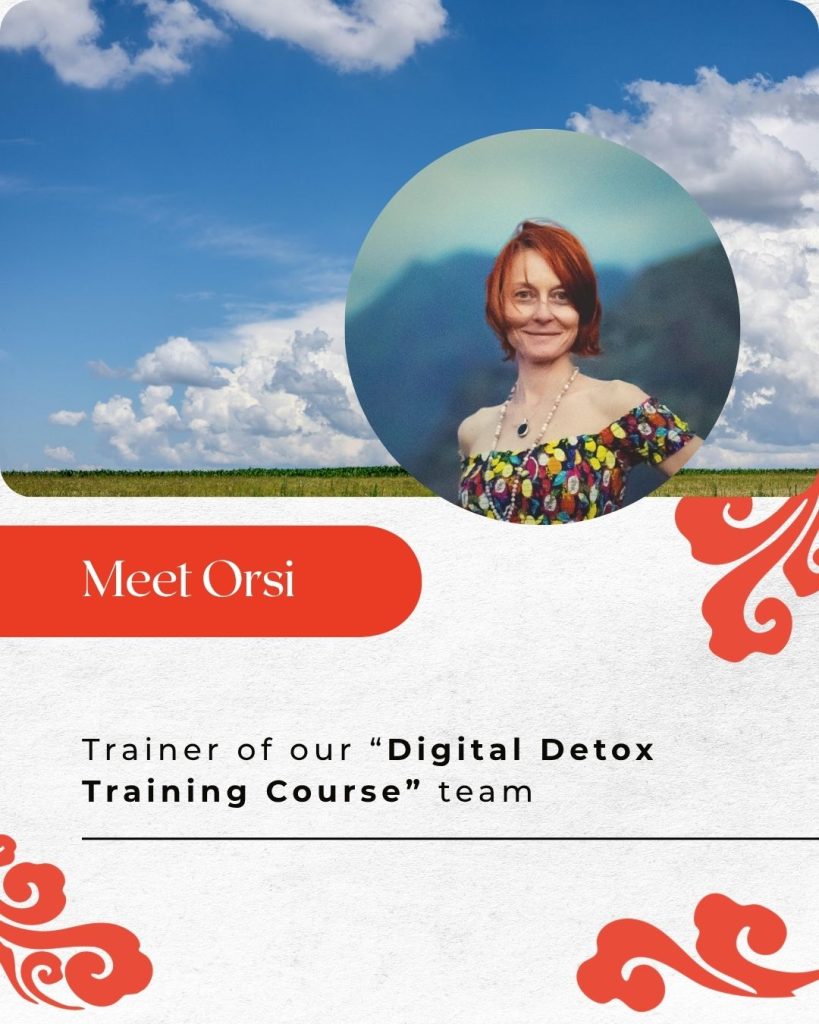
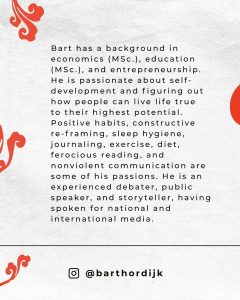
VII. Partner countries
Currently confirmed: Netherlands, Czechia, Austria, Greece, Belgium, Portugal, Turkey, Slovakia, Italy, Serbia, Hungary
Age group: 21 years +


VIII. Application Deadline
31st July 2026
IX. Costs & fees
This project is co-funded by Erasmus+ programme: accommodation, food, materials, the programme and the travel costs up to the maximum allowed amount are fully covered. Maximum travel reimbursement: 28 EUR to 580 EUR (not green travel) OR 56-785 (green travel), based on distance and means of transportation, per person. (approval needed before buying tickets after being selected).
We encourage personal accountability and ownership. Based on your financial capacity we suggest a sliding scale of 70-90 Euro for the host organization. (non refundable) You can choose the best fit for you.
Depending on your personal situation feel free to apply and do let us know, if you face any obstacle in this regards. Upon being selected we will find a solution together.


